
Temporary Space, Lasting Impact: new YAC report explores meanwhile use in Cambridge
The Cambridge Ahead Young Advisory Committee (YAC) has published a new report, Temporary Space, Lasting Impact: Meanwhile Use as Infrastructure for Placemaking. It explores how the temporary use of vacant and underused buildings could play a much bigger role in shaping inclusive and lively places across Cambridge.
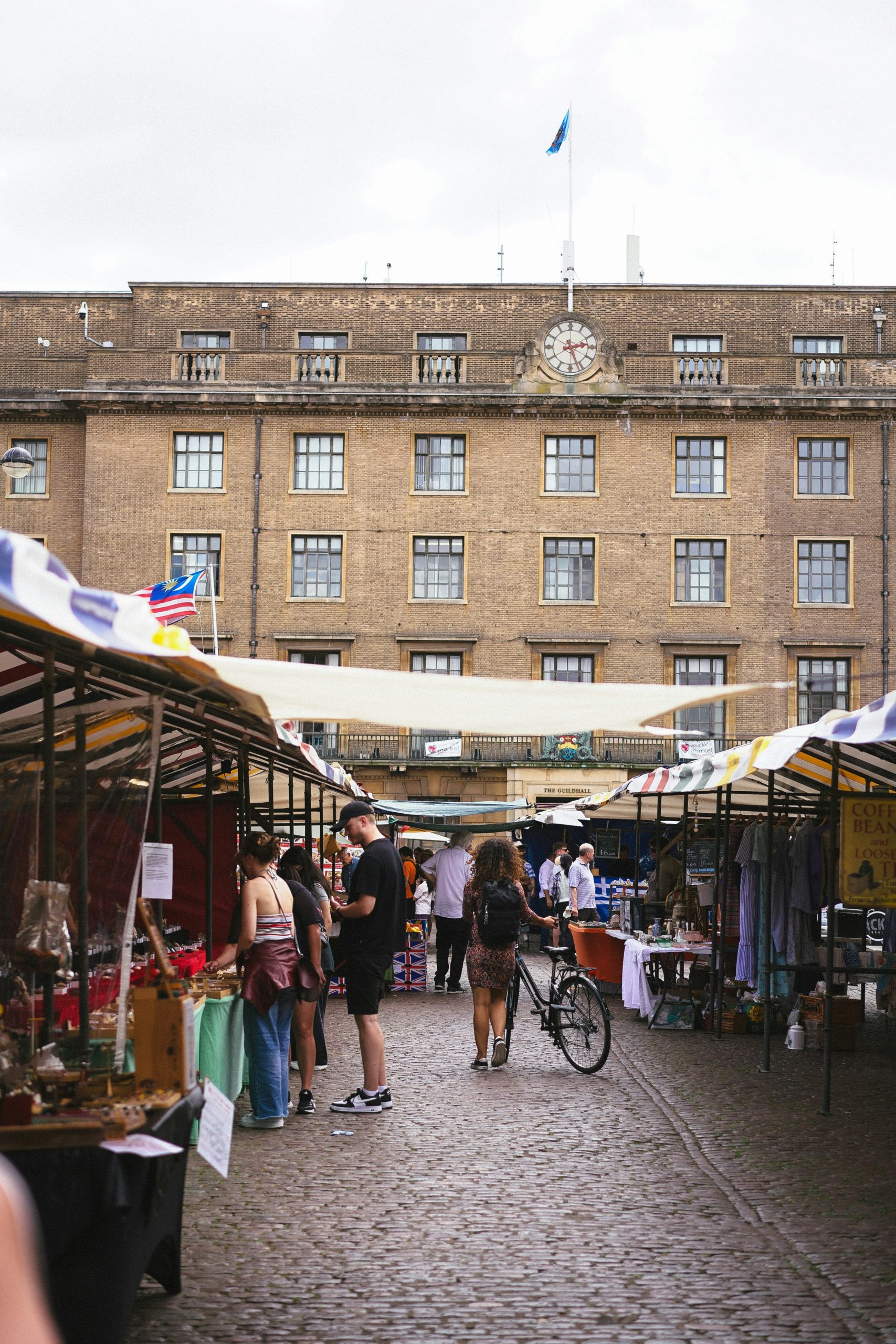
Meanwhile use is the temporary occupation of empty or underused spaces while longer term plans are still being developed. In a city like Cambridge, where high land values sit alongside growing inequality, these spaces represent a real opportunity. When used well, they can support local businesses, community organisations and cultural activity, while bringing life back to areas that might otherwise be underutilised.
The report has been developed by the Culture through Place project, which looks at the role placemaking plays in shaping the city we will inherit. Working in partnership with Cambridge City Council, the YAC brought together developers, asset owners, community organisations and policy professionals for a roundtable discussion in July 2025. The report draws on insights from that conversation, alongside local case studies and examples of good practice from elsewhere.
The report highlights the wide range of benefits that meanwhile use can deliver. Economically, it can reduce void costs, support small businesses and increase footfall. Socially, it can create spaces where people meet, collaborate and feel connected to their neighbourhoods. Environmentally, it makes better use of existing buildings and avoids unnecessary new development. It also shows how meanwhile use aligns closely with the City Council’s Community Wealth Building Strategy, helping to tackle inequality in practical, place-based ways.
A series of case studies bring these ideas to life. They include early placemaking at Waterbeach through pop-up leisure and workspaces, The Cambridge Room at the Grafton Centre as a civic and cultural space, a community-led indoor skatepark at the Beehive Centre, and the large-scale meanwhile use of a former hospital site in Paris. Together, they show that meanwhile use can work across different scales and settings when there is trust, flexibility and a shared understanding of local needs.
The report also sets out key principles for successful meanwhile use in Cambridge. These include making the process easier for smaller organisations to navigate, ensuring projects are financially viable, planning for what comes next rather than treating meanwhile use as disposable, and embedding meanwhile use more clearly into policy and practice.
The YAC’s central message is clear: Meanwhile use should not be seen as a stopgap. When planned early and delivered collaboratively, it can function as social and civic infrastructure, supporting inclusive growth and stronger communities while longer term change is underway.
Authors:
Erin Charles (St John’s College), Robin Creighton (Mission Street), Molly Eyles (Savills), Maisie Mannion (Stantec), and Emmie Singleton (Allia).